
The Transformation of Steel Slag from Solid Waste into a Green Resource
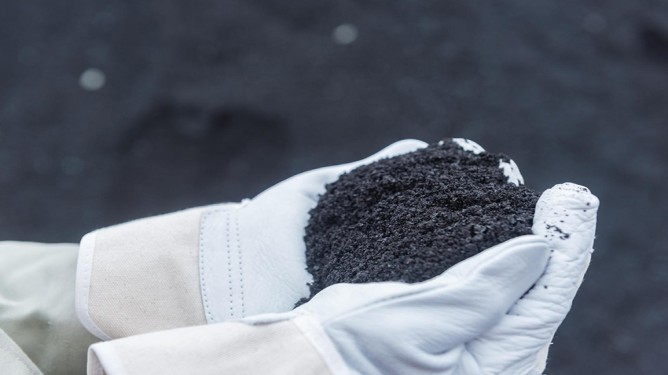
The compositional characteristics of steel slag dictate that its utilization must first successfully clear the hurdle of “pretreatment.” Chemically, it is predominantly composed of CaO, SiO2, and Fe2O3—rendering it highly similar to cement clinker and endowing it with inherent pozzolanic activity—yet it also contains constituents such as free calcium oxide and magnesium oxide. Upon contact with water, these components are prone to expansive hydration, which can lead to material cracking. Furthermore, if the metallic iron inclusions are not recovered, valuable resources are squandered. Consequently, the core objectives of pretreatment are stabilization, iron removal, and graded activation. Currently, the prevailing pretreatment methodology centers on “hot-mulling” technology: steel slag, still at a high temperature of 800°C, undergoes roller crushing and is then subjected to a reaction within a high-pressure steam environment. This process facilitates the hydration and neutralization of the free calcium oxide, thereby comprehensively resolving the issue of material instability. By integrating multi-stage crushing, magnetic separation, and screening, metallic iron with a purity exceeding 90% can be simultaneously recovered, while the steel slag itself is classified into three distinct product categories: fine powder, fine aggregate, and coarse aggregate. Finally, through ultrafine pulverization utilizing a vertical roller mill, the specific surface area of the steel slag is increased to over 400 m²/kg; this step further activates its latent pozzolanic potential, thereby paving the way for its subsequent utilization.
Pre-treated steel slag ultrafine powder serves as a high-quality raw material for the production of solid-waste-based cementing materials. By compounding it with slag and desulfurization gypsum—and incorporating a small amount of activator—the hydration activity of the tricalcium silicate and dicalcium silicate within the steel slag can be stimulated. This process generates calcium silicate hydrate gel, thereby forming a cementing system with stable performance. The 28-day compressive strength of these cementing materials meets the standards for Grade 42.5 cement; moreover, their carbon emissions amount to only one-tenth of those of traditional cement, while their production costs are significantly reduced, making them perfectly suited for the demands of large-scale engineering projects. In the field of mine backfilling, steel-slag-based cementing materials can be combined with tailings and waste rock to construct high-strength backfilling systems, effectively managing underground voids and ensuring mining safety.
Graded steel slag aggregate possesses advantages such as low crushing value, high wear resistance, and good adhesion to asphalt. Many of its properties surpass those of natural sand and gravel, making it an ideal substitute. Based on particle size, it can be divided into coarse aggregate (5-40mm) and fine aggregate (1-5mm). After stabilization treatment, the free calcium oxide content is controlled within a safe range, eliminating the risk of expansion and cracking during long-term use. In road paving, the use of steel slag coarse aggregate in asphalt pavements can significantly improve high-temperature stability and resistance to water damage.
The abundant CaO and MgO in steel slag can undergo mineralization reactions with carbon dioxide to generate stable calcium carbonate and magnesium carbonate, achieving permanent CO₂ sequestration. This technology bridges the gap between steel slag resource utilization and the “dual carbon” goal. The carbon mineralization products can be used to prepare low-carbon building materials and functional fillers, realizing a triple benefit of “solid waste disposal + carbon sequestration + high-value products.” It is estimated that each ton of steel slag can sequester 50-80 kg of carbon, solving the steel slag storage problem and providing a feasible path for industrial carbon emission reduction.