
Fly Ash Upgrading: Why Separation and Classification Matter Before High-Value Use
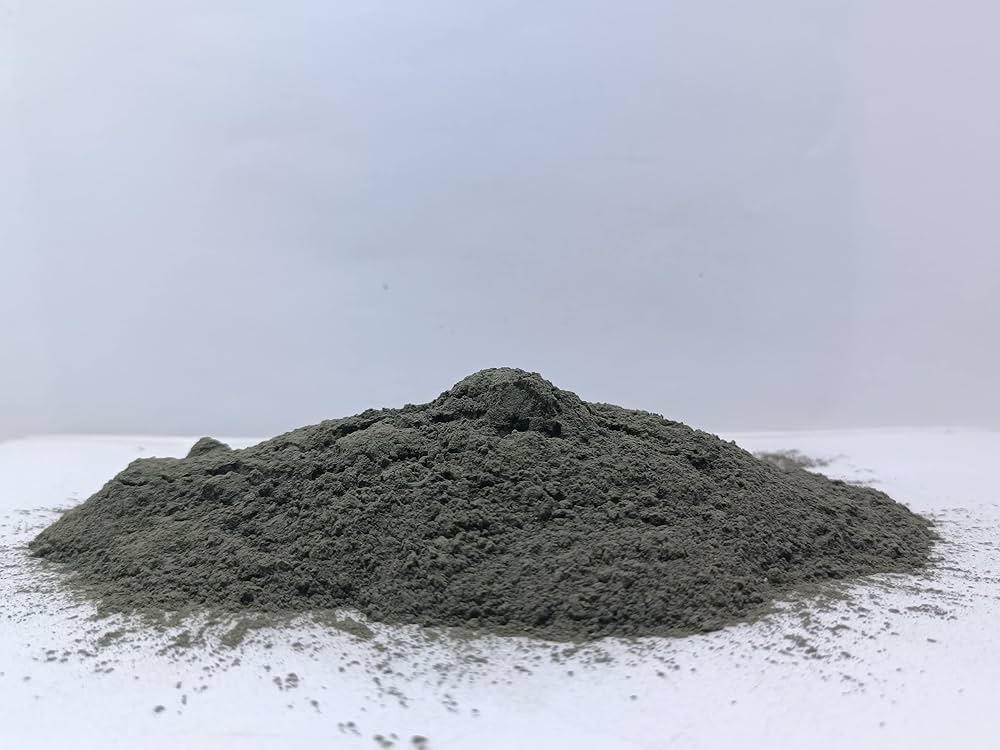
Fly ash can vary widely in particle size, carbon content, moisture, mineral composition and flow behavior. That variation is one reason why high-value utilization should begin with characterization and separation, not with a single universal grinding setting. The intended application must guide the processing route.
For use as a mineral admixture, filler or ingredient in a composite material, the finished powder normally needs a defined particle-size range and stable handling behavior. Coarse particles, agglomerates or unwanted fractions can limit how consistently the material performs in a downstream formulation. Separation and classification make it possible to direct different fractions toward different product routes rather than treating all incoming ash as the same feed.
Ultrafine grinding can be used after the feed has been prepared and the target outlet has been defined. The purpose is to adjust particle size and increase the available surface area in a controlled way, not simply to maximize fineness. The grinding system, classifier setting and collection configuration should be selected according to the physical characteristics of the feed and the quality requirements of the intended product.
Producers also need to consider storage and conveying. Fly ash may show changes in flow behavior caused by moisture pickup, compaction or long storage time. A stable feed, enclosed conveying and suitable dust collection help keep the product stream more consistent from the silo to the finished package.
The strongest utilization projects connect process data to a clear market outlet. By defining the desired product first, then selecting separation, grinding, classification and possible modification steps, operators can create a more repeatable route from industrial by-product to functional powder. Routine sampling is useful here: it allows teams to check whether each incoming batch remains within the assumptions used to set the processing route and product specification.