
From By-Product to Functional Powder: A Processing Route for Industrial Solid Waste
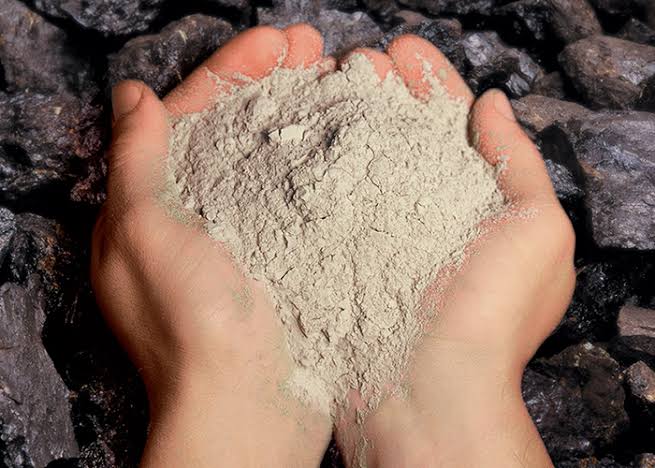
Industrial solid waste is not one uniform material. Steel slag, fly ash, tailings, coal gangue and red mud differ in chemistry, particle shape, moisture, magnetic content and reactivity. That is why a high-value utilization route begins with characterization rather than with a standard mill configuration.
After feed preparation, selective crushing and separation can help remove or concentrate useful fractions. Ultrafine grinding increases specific surface area and can make the material more suitable for use as a mineral admixture, inorganic filler or component in composite products. Air classification then helps control the finished particle size and remove coarse material that could affect downstream processing.
Modification is often the bridge between a recycled powder and a functional product. Depending on the intended use, it may improve dispersion, compatibility or handling. For example, a filler application may require a different size distribution and surface condition than a cementitious application.
The economic result depends on matching the process to a defined outlet. Producers should first identify the target product and quality requirements, then design the crushing, grinding, classification and modification sequence around them. This approach can turn a disposal challenge into a more consistent raw-material stream.