
Application technology of ultrafine fly ash
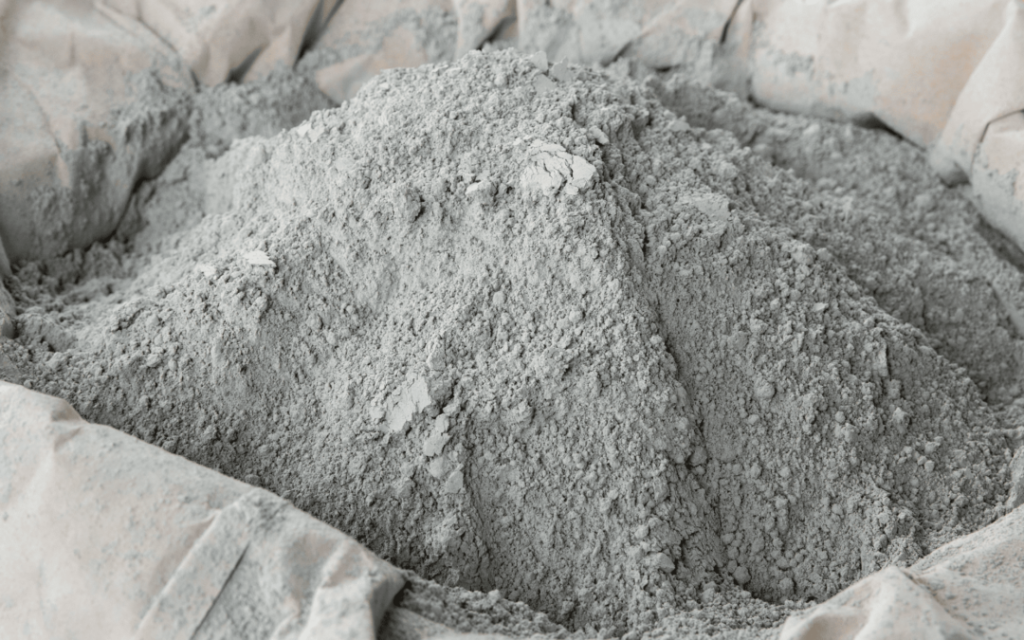
Fly ash is currently one of the commonly used materials in the production of ready-mixed concrete. It has four main functions in concrete:
(1) Pozzolanic effect: The potentially reactive substances in the admixture react with alkaline substances to produce hydraulic substances.
(2) Morphological effect: Effects arising from appearance, surface properties, and particle size distribution.
(3) Micro-aggregate effect: The fine particles of fly ash are evenly distributed in the cement paste, filling pores and capillaries, improving the pore structure of the concrete and increasing its density.
(4) Interfacial effect: Fly ash reacts with Ca(OH)2 produced by cement hydration, reducing the content of Ca(OH)2, improving the structure of the interfacial transition zone, and increasing the bonding strength of the paste interface. This plays a crucial role in improving the workability, water retention, and fluidity of concrete, as well as increasing its strength and long-term durability.
To protect the environment, pursue sustainable development, and develop a green and circular economy, fly ash, a waste product of coal-fired power plants, has been transformed into a valuable resource in recent years and has been widely promoted and applied in practical production, especially in the ready-mixed concrete industry. To further improve utilization efficiency and enhance the activity of fly ash, it is processed into ultra-fine fly ash, with a residue of less than 0.7% on a 45μm sieve.
(1) When the proportions of ultrafine powder and fly ash are the same, the slump loss of concrete is improved, and the setting time is unaffected, indicating that the “ball-bearing” effect of the ultrafine powder remains unchanged.
(2) When the proportions of ultrafine powder and fly ash are the same, the strength of concrete containing ultrafine powder is higher than that of concrete containing fly ash, indicating that after grinding, the ultrafine powder is more conducive to reacting with the hydration products of cement.
(3) When the ultrafine powder content reaches 30%, the 28-day strength of the concrete can meet the trial mix requirements, and the 60-day strength increases significantly, indicating that the ultrafine powder can effectively fill the voids in the cement, making the internal structure of the concrete more compact, resulting in significant strength development and improved durability.
(4) The maximum content of ultrafine powder varies with different cement dosages and strength grades. For example, in C30 concrete, the maximum ultrafine powder content is 30%, while in C50 concrete, the maximum ultrafine powder content is 33%. This indicates that in mix designs with increased cement content, it is necessary to find the optimal dosage to maximize the “micro-bead” effect of the ultrafine powder.
The rational and scientific utilization of fly ash will have a positive impact on the quality and economic benefits of concrete production. Ultrafine fly ash, in particular, performs well overall, showing improvements in both strength and workability, thus enhancing the performance of cement and the quality of concrete. Therefore, the application of ultrafine fly ash in concrete significantly improves the quality control of ready-mixed concrete.