
Steel slag resource utilization: recycling scrap steel, paving roads, making cement… what other new pathways are there?
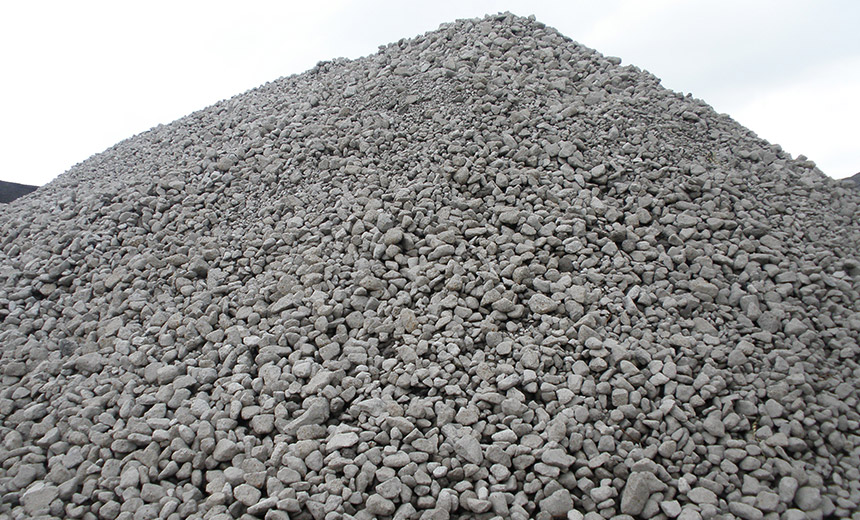
Steel slag is a solid waste formed during the steelmaking process through high-temperature physicochemical reactions of slag-forming materials, metal oxides, and furnace lining erosion products. Its composition is complex, mainly including calcium oxide, silicon dioxide, iron oxide, and magnesium oxide. Its appearance and color are related to its alkalinity, often appearing blackish-gray or yellowish-brown. Due to its high content of dicalcium silicate and other substances, steel slag has high hardness and certain cementing activity. However, it also suffers from stability issues caused by the expansion of free calcium oxide upon contact with water, which is one of the key factors restricting its large-scale application.
How to Turn Steel Slag into a Treasure?
The utilization of steel slag is no longer simply a matter of “throwing it away.” Multiple resource utilization pathways have been explored both domestically and internationally:
Recycling Scrap Steel: Steel slag generally contains 20%–30% iron. By recovering the scrap steel through crushing, magnetic separation, and other processes, it can be directly returned to the steelmaking process, reducing production costs.
Returning to the Metallurgical Process: Steel slag is rich in beneficial components such as calcium, magnesium, and iron, and can be used as a raw material for sintered ore. Adding appropriate amounts of steel slag can improve the strength of sintered ore and reduce fuel consumption, but it is also necessary to control the introduction of harmful elements such as phosphorus.
Used in building materials: This is currently the most important way to utilize steel slag. Stabilized steel slag can be used as roadbed material, engineering backfill, or to replace some natural aggregates in concrete. Its high hardness and good wear resistance make it particularly suitable for road engineering.
Preparation of high-value-added products: The “advanced” utilization of steel slag shows its greater potential. For example, using it as a main raw material to produce steel slag cement can effectively consume a large amount of steel slag and give the cement good later-stage strength; it can also be used to produce microcrystalline glass, a material that combines the advantages of glass and ceramics, and is often used in building decoration, opening up new directions for the high-value utilization of steel slag.
Environmental remediation and agricultural applications: Countries such as Japan are trying to utilize the iron and silicon richness of steel slag as a substrate for cultivating seaweed farms to restore marine ecological environments. The alkalinity of steel slag can also be used to improve acidic soils or as a mineral fertilizer to supplement elements such as calcium and silicon.
Challenges and the Future: How to Further Utilize Steel Slag?
Stability Issues: Free calcium oxide and magnesium oxide in steel slag easily expand upon contact with water, affecting its long-term stability in building materials. This typically requires long-term stockpiling and aging, increasing costs and space requirements.
Activation Challenges: Although steel slag has cementing properties, its activity is generally lower than that of cement clinker, requiring physical or chemical activation methods. The technology needs optimization.
Large Composition Fluctuations: The composition of steel slag produced by different steel mills and processes varies significantly, posing challenges to large-scale, standardized utilization.
High Processing Costs: Existing pretreatment processes such as cooling, crushing, and magnetic separation are energy-intensive, and some processing technologies have high investment and operating costs.
Looking to the future, the “rebirth” of steel slag will place greater emphasis on green and efficient methods. Research and development directions may focus on:
Deepening Basic Research: More accurately analyzing the microstructure and composition of different steel slags to provide theoretical support for efficient utilization.
Breakthroughs in key technologies: Develop efficient stabilization technologies to shorten aging time, research more economical activation methods, and improve the admixture and performance of steel slag in cement and concrete.
Expanding high-value utilization: Continue to develop high-value-added products such as microcrystalline glass and inorganic fibers to enhance the economic benefits of steel slag utilization.